


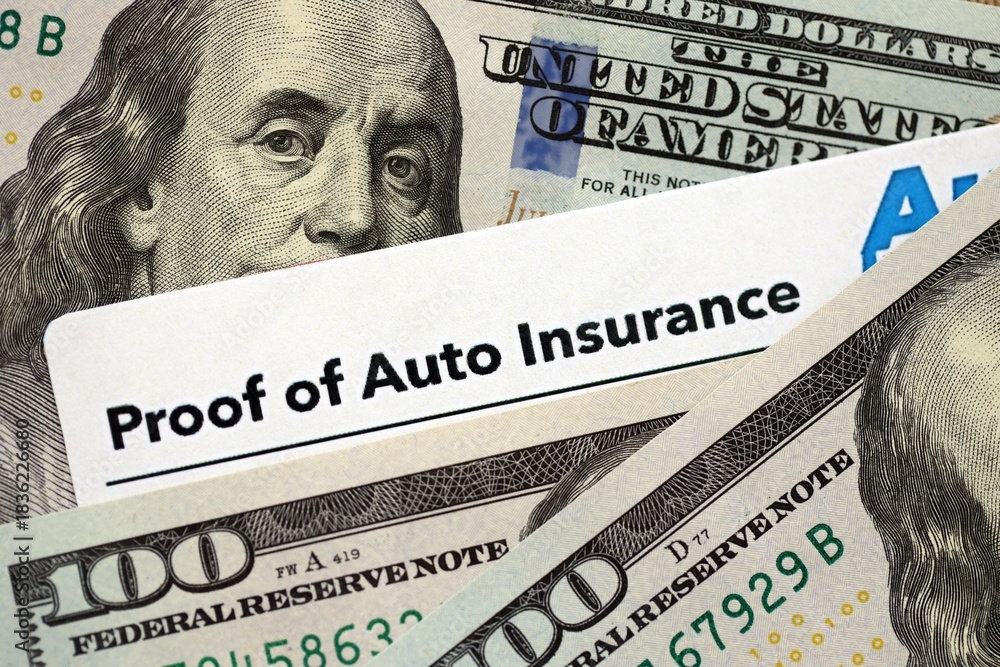
Insurance is one of the most important aspects of running a short-term car rental business. Many car owners assume that personal insurance is enough, but short-term rentals often involve different risks that require special attention.
Understanding the basics of insurance helps protect your vehicle, your income, and your peace of mind.
1. Why Standard Insurance May Not Be Enough
Personal car insurance is usually designed for private use. When a car is rented to multiple drivers:
- Risk exposure increases
- Claims become more complex
- Coverage limitations may apply
Failing to understand these differences can result in unexpected losses.
2. Common Types of Coverage to Know
Short-term rental owners should be familiar with:
- Liability coverage for damages to others
- Collision coverage for vehicle damage
- Theft protection
- Damage protection during rental periods
Knowing what each type covers helps you choose appropriate protection.
3. Platform or Third-Party Insurance Options
Some rental platforms offer additional insurance or protection plans. These can:
- Reduce personal risk
- Simplify claims
- Add confidence when renting
Always read coverage details carefully to avoid gaps.
4. Set Clear Rental Rules for Protection
Clear rental rules reduce insurance risks. Important rules include:
- Who is allowed to drive the car
- Rental duration limits
- Fuel and return conditions
Clear communication protects both the owner and the renter.
5. Keep Insurance Records Organized
Maintain records of:
- Insurance policies
- Coverage periods
- Claim history
Organized records make renewals and claims easier to manage.
Final Thoughts
Insurance is not an expense to avoid — it’s a safeguard for your rental business. By understanding coverage basics and setting clear rules, car rental owners can operate with confidence and reduce financial risk.
